
Why Long Island Basements Flood (and How to Stop It)
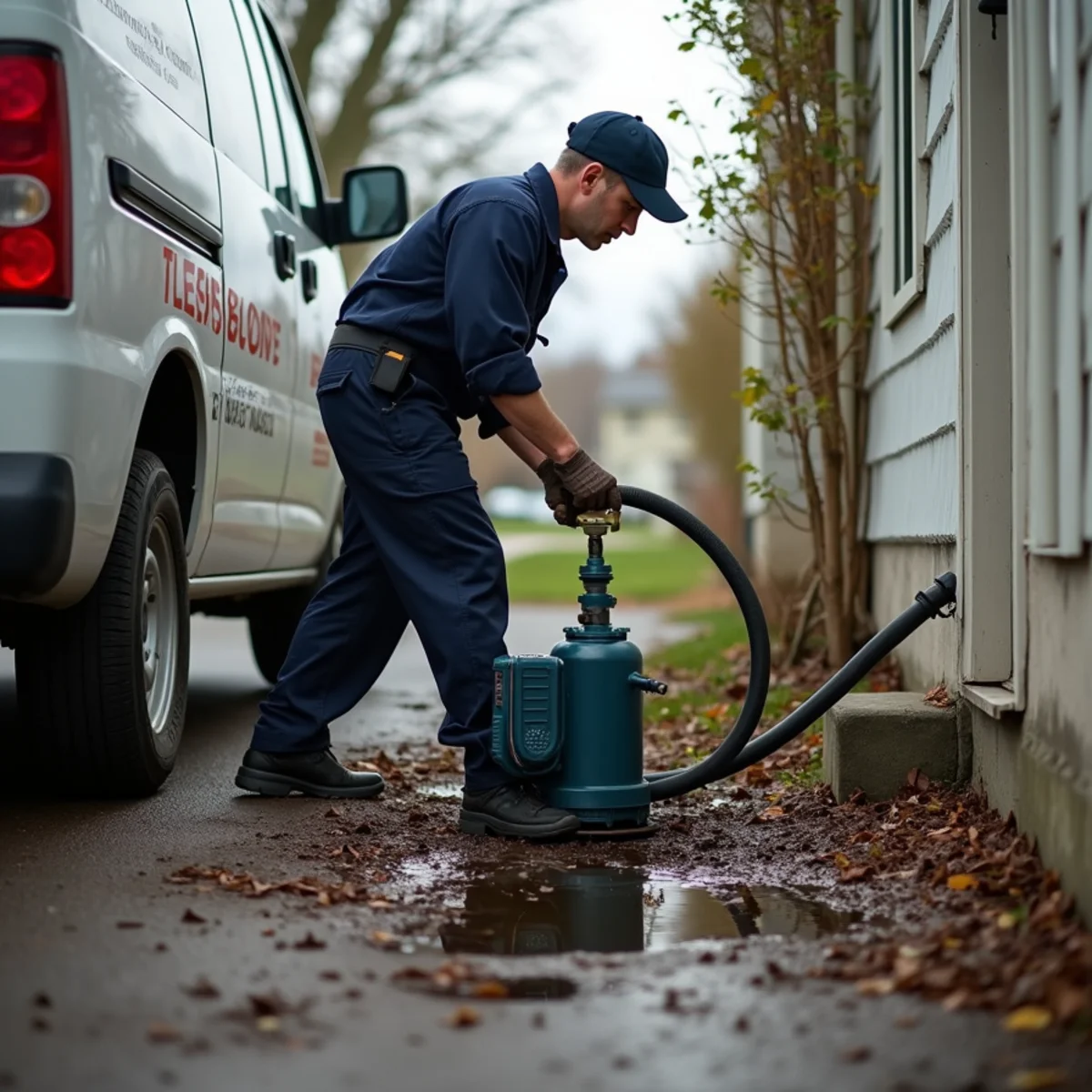
Long Island basements flood because much of the Island sits over a high water table, and the storms that raise it are the same storms that knock out power — taking a standard sump pump down with them. The reliable fix is a properly sized sump pump with a battery backup, plus drainage that carries water away from the foundation.
Key takeaways
- A high water table plus storm outages is why basements flood here.
- A standard sump pump quits during the outage you need it for.
- A battery backup and high-water alarm are essential.
- Good drainage away from the foundation reduces the load.
- A backflow preventer helps where sewer backup is the cause.
A high water table is the backdrop
Much of Long Island sits over a high water table, and in low-lying areas the groundwater is not far below your basement floor. Heavy rain raises it further, and water finds its way in through the floor, the walls, and any crack it can reach. This is the underlying condition that makes Long Island basements so flood-prone — it is geology, not bad luck.
The south shore takes the worst of it
Communities like Freeport, Massapequa, Babylon, and the canal neighborhoods deal with flooding routinely — they combine a high water table with proximity to the bays and canals, and many were hit hard by past storms. But north-shore and central areas like Greenlawn flood too wherever the water table sits high. If your basement floods, you are not alone, and there is a fix.
Why pumps fail exactly when you need them
Here is the cruel irony of basement flooding: the storms that drive the most water are the same storms that knock out power. A standard sump pump runs on household electricity, so a power outage during a Nor’easter leaves you with no protection at the peak of the flooding. That is why so many failures happen "during the storm" — the pump did not break, it just lost power.
What actually stops it
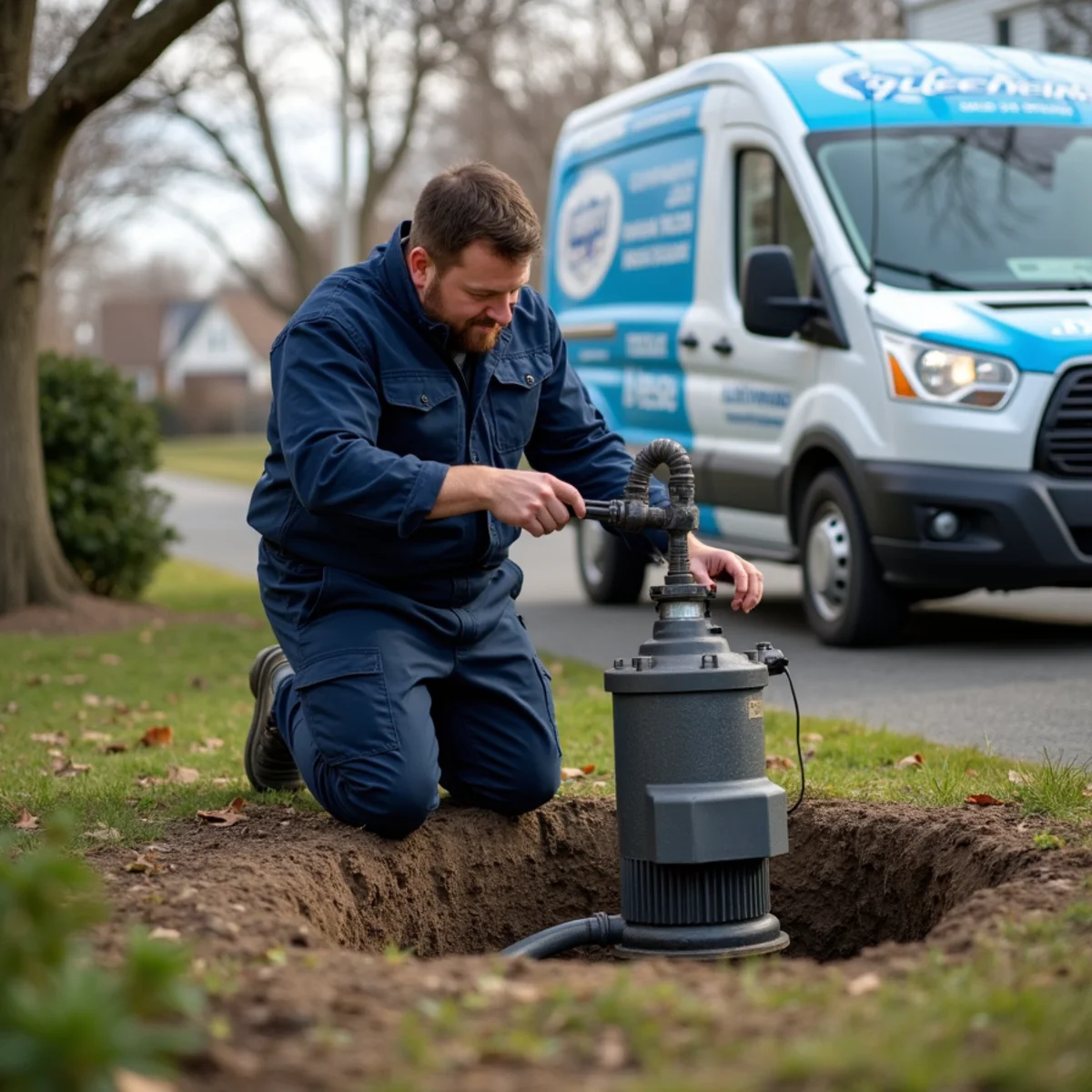
The reliable fix is a properly sized sump pump with a battery backup, and a high-water alarm to warn you before the water rises. The backup keeps the pump running through an outage, which is the whole point. For homes with sewer-related flooding, a backflow preventer can stop water from pushing back up the line during heavy events. We size and configure the system for your specific water load rather than installing a generic pump and hoping it keeps up.
Keep the water away from the foundation
Beyond the pump, the basics matter: gutters and downspouts that carry roof water well away from the house, grading that slopes away from the foundation, and a sump discharge that actually moves water off the property instead of circling it back to the pit. We address these together so the whole system works.
What actually keeps a Long Island basement dry
Cleanup is not a fix. If your basement floods, the goal is to address the causes — groundwater, storm water, and pump failure during outages — not just mop up afterward.
The system that works:
- A sump pump sized to your basement’s real water load
- A battery backup and high-water alarm for storm-driven outages
- A check valve and discharge routed well away from the foundation
- A backflow preventer where sewer backup is a risk
- Gutters and grading that move roof and surface water away from the house
Why pumps fail exactly when you need them
Here’s the cruel irony of basement flooding on Long Island: the storms that drive the most water — Nor’easters, tropical systems, heavy summer downpours — are the same storms that knock out power. A standard sump pump runs on household electricity, so an outage during a storm leaves you with no protection at the peak of the flooding. The pump didn’t break; it just lost power.
That’s why a battery backup isn’t optional for a home that depends on its sump pump. The backup keeps the pump running through an outage, and a high-water alarm warns you before the water rises.
Geography compounds it. The south shore — Freeport, Massapequa, Babylon, and the canal neighborhoods — combines a high water table with proximity to the bays, and north-shore and central areas like Greenlawn flood too wherever the water table sits high. Sizing the system to your actual conditions, not a generic default, is what keeps up with a real storm.
Beyond the pump: drainage that helps
A sump pump is the last line of defense, but keeping water away from the foundation in the first place reduces how hard it has to work — and how often you’re relying on it during a storm.
Address the basics alongside the pump:
- Clean gutters and extend downspouts well away from the house
- Grade soil so it slopes away from the foundation
- Seal obvious foundation cracks where water enters
- Route the sump discharge far enough that it doesn’t circle back
- Consider a backflow preventer where sewer backup is a risk
The bottom line
Flooding here is largely predictable, which means it’s largely preventable. A properly sized sump pump with a battery backup, a backflow preventer where needed, and good drainage address the causes, not just the cleanup. Call us to size a system for your basement.
Battery backups and drainage that actually helps
The fix that works is a sump pump with a battery backup sized to your basement's real water load, because the storms that flood basements are the same storms that cut power. A high-water alarm warns you before the water rises.
Beyond the pump, keeping water away from the foundation reduces how hard it has to work — and when a flood does happen, we coordinate water cleanup fast. Canal and waterfront communities like Freeport and Massapequa rely on well-sized systems most.
Frequently Asked Questions
How We Can Help
Related services: sump pump installation & repair, emergency water cleanup across Long Island.
We serve Freeport and Massapequa and the surrounding communities.
(831) 290-4327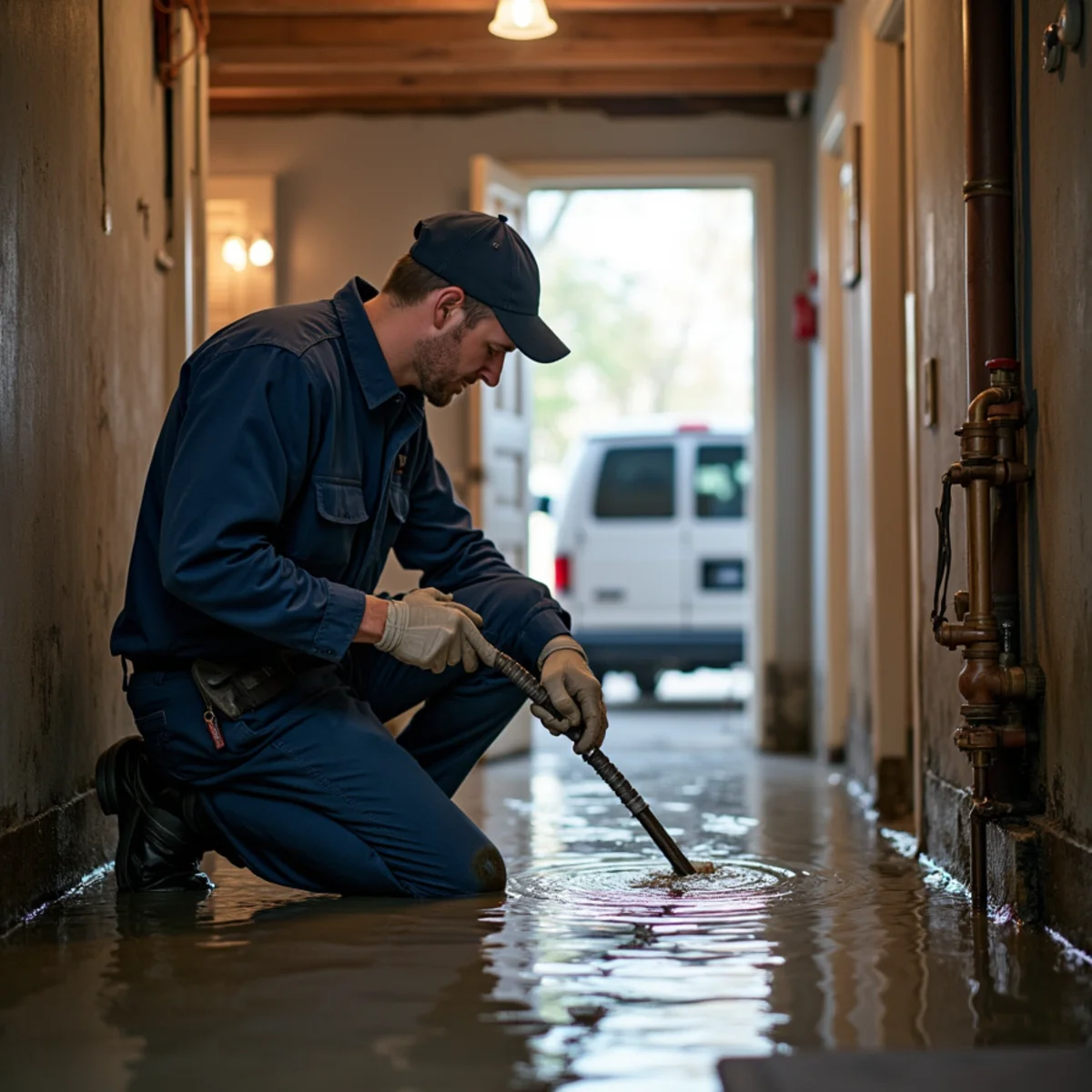
Need a plumber now? We’re ready to help.
Emergency or planned, call for fast local service across Long Island — or request a free written quote.