
What Water Heater Replacement Costs on Long Island
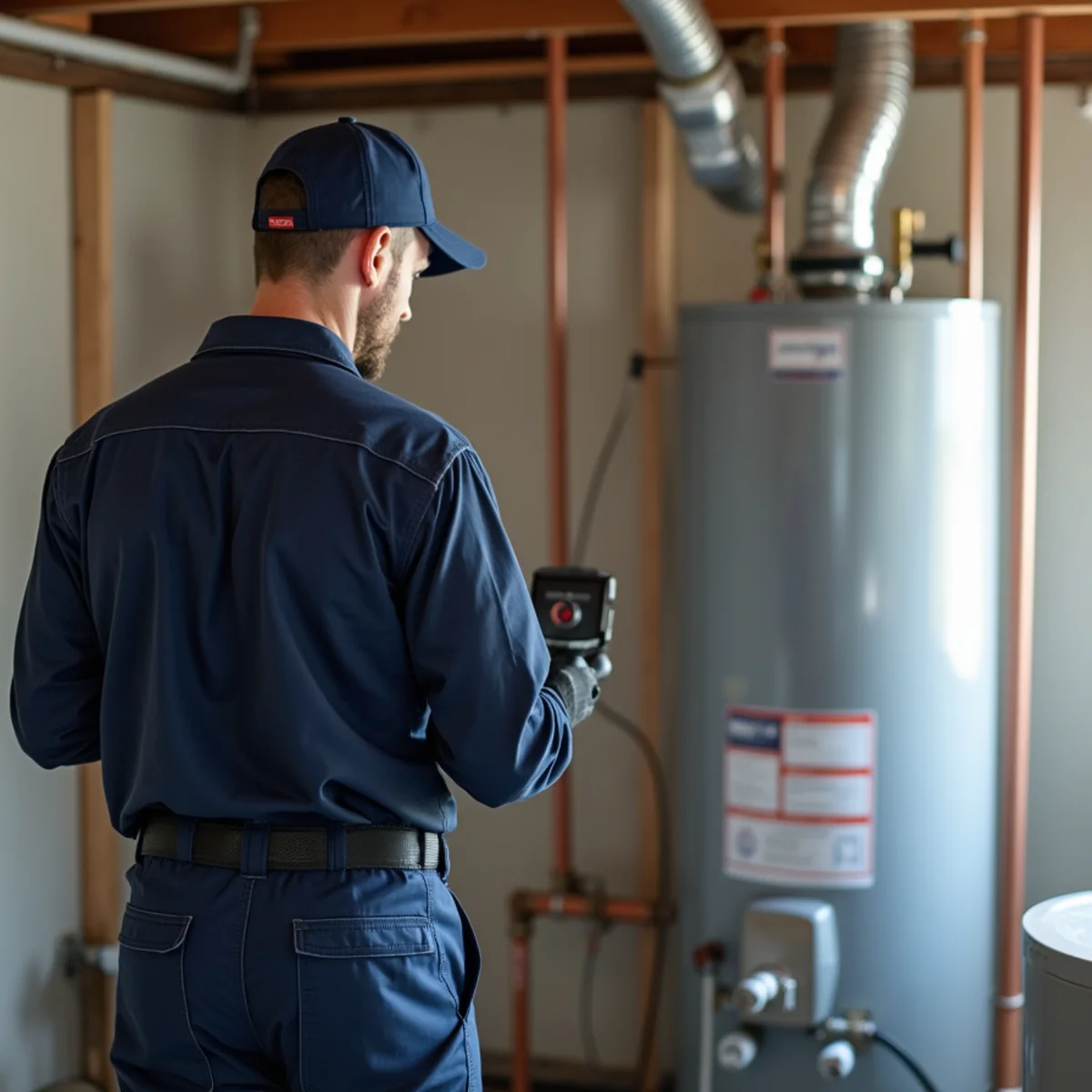
Water heater replacement cost on Long Island depends on the unit and your home, not a flyer number. What moves the price is fuel type, capacity, and whether venting, gas, or electrical service needs upgrading to code. Get a written scope comparing repair, tank replacement, and tankless before you decide.
Key takeaways
- There's no flat price — fuel, capacity, and code upgrades drive the cost.
- Tank is cheaper up front; tankless costs more but lasts longer and saves space.
- Long Island's hard water makes annual flushing essential either way.
- A tank leaking from the body can't be repaired — replace before it floods.
- Insist on a written scope comparing repair, tank, and tankless.
Why there is no single price
The honest answer to "what does a water heater cost?" is that it depends — and any flat number quoted before someone sees your setup is a guess. The unit itself is only part of it. What really moves the price is the fuel type, the capacity your household needs, and whether your existing venting, gas line, or electrical service can support the new unit as-is or needs upgrading to meet code.
Tank vs. tankless
A conventional tank is the lower up-front cost and a straightforward swap in most homes. A tankless unit costs more to install — it often needs venting changes and adequate gas or electrical capacity — but it heats on demand, frees up space, and typically lasts longer. Whether tankless pays off depends on your hot-water use and how long you plan to stay in the home.
In some older Huntington and Levittown-era homes, the gas line or electrical panel needs an upgrade before a tankless unit will work. We factor that into the written comparison up front rather than discovering it mid-install.
What changes your final quote
- Fuel type and the specific unit selected
- Tank capacity or tankless sizing for your household demand
- Whether venting, the gas line, or electrical service must be upgraded to code
- Accessibility of the install location — tight closets and attics take longer
- Whether an expansion tank, drip pan, or new shutoff is required
- Permit and inspection requirements in the Town of Huntington
The cost of waiting
A water heater that is leaking from the tank body cannot be repaired — the steel has corroded through — and every day it runs is a flood risk. Replacing it on your schedule is far cheaper than replacing it plus the water damage after it lets go. If yours is past about ten years, showing rust, or making rumbling noises from sediment, it is worth getting ahead of.
Get a written scope
Before any non-emergency work, insist on a written scope: the unit, the labor, any code upgrades, the permit, and the warranty terms spelled out. That is how you compare options honestly instead of comparing a coupon to a guess. We provide that comparison for repair, tank replacement, and tankless so the decision is genuinely yours.
What actually moves the price
The unit is only part of the cost. In many older Huntington and Levittown-era homes, the venting, gas line, or electrical panel needs work to support a new or larger unit — and that’s where a lowball quote turns into a mid-install surprise.
We put these variables in writing up front:
- Fuel type and the specific unit — gas, electric, or tankless
- Tank capacity or tankless sizing for your peak hot-water demand
- Venting, gas-line, or electrical upgrades required to meet code
- Accessibility of the install location — tight closets and attics take longer
- An expansion tank, drip pan, or new shutoff where code requires it
Tank vs. tankless over the long run
The sticker price is only half the decision. A conventional tank is the lower up-front cost and a straightforward swap in most homes, and it’s often the right call if your hot-water use is modest or you’re not staying long. A tankless unit costs more to install — it frequently needs venting changes and adequate gas or electrical capacity — but it heats on demand, frees up floor space, and typically lasts longer.
Long Island’s moderately hard water is the wild card. Scale settles in a tank and coats the burner or element, forcing it to work harder and shortening its life; it also builds up in a tankless heat exchanger without periodic flushing. Whichever you choose, annual maintenance protects the investment.
The most expensive water heater is the one that fails on its own schedule. A tank leaking from the body can’t be repaired, and every day it runs is a flood risk — so if yours is past about ten years, showing rust, or rumbling with sediment, replacing it on your terms beats replacing it plus the water damage.
Signs it’s time to replace, not repair
Repair is often the right call for a sound unit under about eight years old with an isolated failed part. But past a certain point, pouring money into an old tank just delays the inevitable — and risks a flood.
Lean toward replacement when you see:
- Water pooling around the base of the tank — a corroded-through body can’t be repaired
- Rusty or metallic-smelling hot water
- The unit is past about ten to twelve years old
- Rumbling or popping from heavy sediment
- Repeated repairs adding up over a short period
The bottom line
Ignore any price quoted before someone sees your setup. Insist on a written scope comparing repair, tank replacement, and tankless, with any code upgrades spelled out. That’s how you compare real options instead of a coupon — and it’s exactly what we provide.
Timing your water-heater replacement
The most expensive water heater is the one that fails on its own schedule and floods a utility room. If yours is past about ten years, showing rust, or rumbling with sediment, replacing it on your terms beats an emergency swap. Our water heater repair and installation service gives you a written comparison of repair, tank, and tankless before you commit.
Sizing matters more than brand: we match capacity to your peak demand so you're not paying to keep water hot you never use. We install and service water heaters throughout Huntington and the surrounding towns, and factor any venting, gas, or electrical upgrades into the quote up front.
Frequently Asked Questions
How We Can Help
Related services: water heater installation & repair across Long Island.
We serve Huntington and the surrounding communities.
(831) 290-4327
Need a plumber now? We’re ready to help.
Emergency or planned, call for fast local service across Long Island — or request a free written quote.