
Coastal Corrosion: Protecting South-Shore Home Plumbing
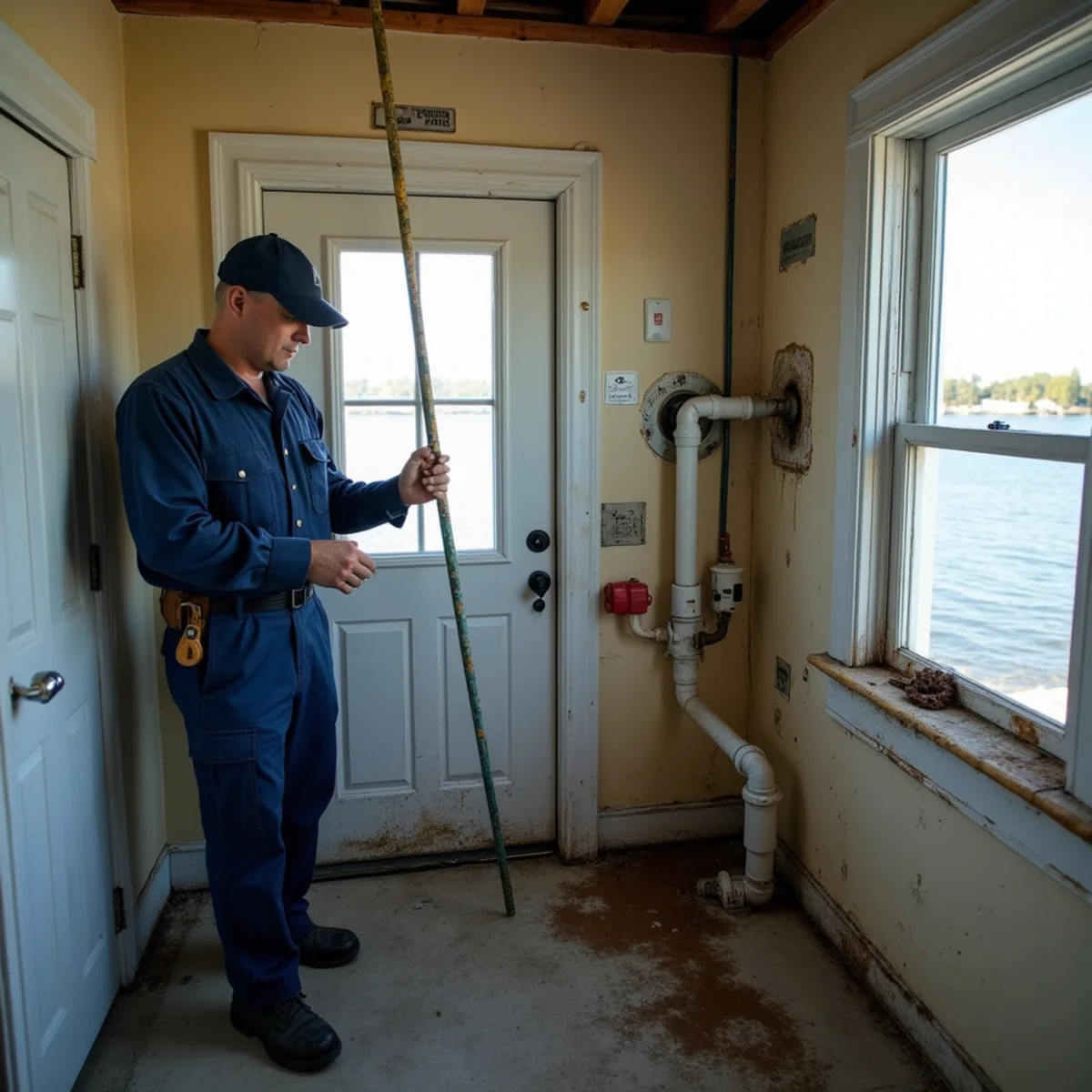
Salt air and constant humidity near the water accelerate corrosion on exposed pipe, fittings, valves, and fixtures, shortening their life well beyond an inland home’s. Corrosion-resistant materials, prompt attention to weeping connections, and periodic inspection are how south-shore and waterfront Long Island homes stay ahead of it.
Key takeaways
- Salt air and humidity accelerate corrosion on exposed plumbing.
- Watch for crusty fittings, rust, and seizing shutoff valves.
- Corrosion-resistant materials outlast old galvanized steel.
- Exercise shutoffs so they don't seize in an emergency.
- Periodic inspection catches weeping fittings before they fail.
Why the coast is hard on plumbing
Salt in the air is corrosive, and near the water it is everywhere — settling on exposed pipe, fittings, valves, and fixtures, and accelerating the oxidation that eats metal. Add the constant humidity of a waterfront environment and you have conditions that shorten the life of plumbing components well beyond what an inland home experiences. Homes in Long Beach, Amityville, Freeport, and along the north-shore harbors all deal with this.
What corrosion looks like
Watch for green or white crust on fittings and valves, rust stains, pitting on exposed pipe, and fixtures that stiffen, seize, or start to weep at the connections. Shutoff valves are a common casualty — a corroded shutoff that will not turn is a real problem in an emergency, which is one reason we check them during any visit to a coastal home.
Material choices matter near the water
When repiping or replacing components in a coastal home, material selection makes a real difference. Corrosion-resistant piping and fittings hold up far better than older galvanized steel, which was never meant for this environment. If your waterfront or south-shore home still has aging galvanized supply lines, a repipe is both a corrosion fix and a water-quality and pressure upgrade.
Practical protection
You cannot change the salt air, but you can slow its effects: keep exposed pipe and fittings dry and ventilated where possible, address small leaks and weeping connections promptly before they accelerate, exercise shutoff valves so they do not seize, and have a plumber inspect exposed and vulnerable runs periodically. Catching corrosion early — a weeping fitting, a stiffening valve — is far cheaper than replacing a failed line and the water damage it causes.
Get ahead of it
Coastal corrosion is gradual and predictable, which means it is manageable if you stay ahead of it. A periodic inspection of your exposed plumbing, shutoffs, and water heater connections lets you replace worn components on your schedule instead of dealing with a failure at the worst time. For waterfront homes, that ounce of prevention is genuinely worth it.
Protecting a waterfront home’s plumbing
You can’t change the salt air, but corrosion is gradual and predictable — which means it’s manageable if you stay ahead of it. The failures that hurt are the ones you didn’t see coming, like a seized shutoff during an emergency.
What we recommend for coastal homes:
- Use corrosion-resistant piping and fittings when replacing components
- Address weeping connections and small leaks before they accelerate
- Exercise shutoff valves so they don’t seize when you need them
- Keep exposed pipe dry and ventilated where possible
- Have vulnerable runs and the water heater inspected periodically
What corrosion looks like before it fails
Coastal corrosion is gradual and, fortunately, visible if you know what to look for. Catching it at the “weeping fitting” stage is far cheaper than replacing a failed line and drying out the water damage.
On a periodic walk-through of your exposed plumbing, watch for the early warning signs:
- Green or white crust building up on fittings, valves, and joints
- Rust stains or pitting on exposed pipe
- Fixtures and shutoff valves that stiffen, seize, or won’t turn
- Weeping or dampness at connections that were dry before
- Reduced flow as corrosion narrows older galvanized pipe
Materials and fixtures that hold up near the water
When you’re replacing plumbing in a coastal home, material choice makes a real difference in how long the work lasts. The salt-air environment is unforgiving to older materials that were never meant for it.
What we favor for waterfront and south-shore homes:
- Corrosion-resistant piping in place of old galvanized steel
- Quality valves and fittings rated to hold up in humidity
- Stainless or brass components where exposure is highest
- Proper support and spacing so pipes stay dry and ventilated
- Accessible shutoffs that are exercised so they don’t seize
The bottom line
Coastal corrosion is manageable if you stay ahead of it. A periodic inspection of your exposed plumbing, shutoffs, and water heater lets you replace worn parts on your schedule instead of during a failure. For a waterfront home, that’s worth it — call us to take a look.
When a coastal home is ready to repipe
When corrosion has moved past individual fittings to the supply lines themselves — low pressure, rusty water, repeat pinhole leaks — repiping with corrosion-resistant materials is the durable answer. Until then, leak detection catches the weeping connections that salt air produces before they fail.
Barrier-island and south-shore homes take the worst of it. We repipe and protect plumbing in coastal communities like Long Beach and Amityville, where salt air works on exposed pipe year-round.
Frequently Asked Questions
How We Can Help
Related services: repiping & water main repair, leak detection across Long Island.
We serve Long Beach and Amityville and the surrounding communities.
(831) 290-4327
Need a plumber now? We’re ready to help.
Emergency or planned, call for fast local service across Long Island — or request a free written quote.