
Burst Pipe in Winter? What Long Island Homeowners Should Do
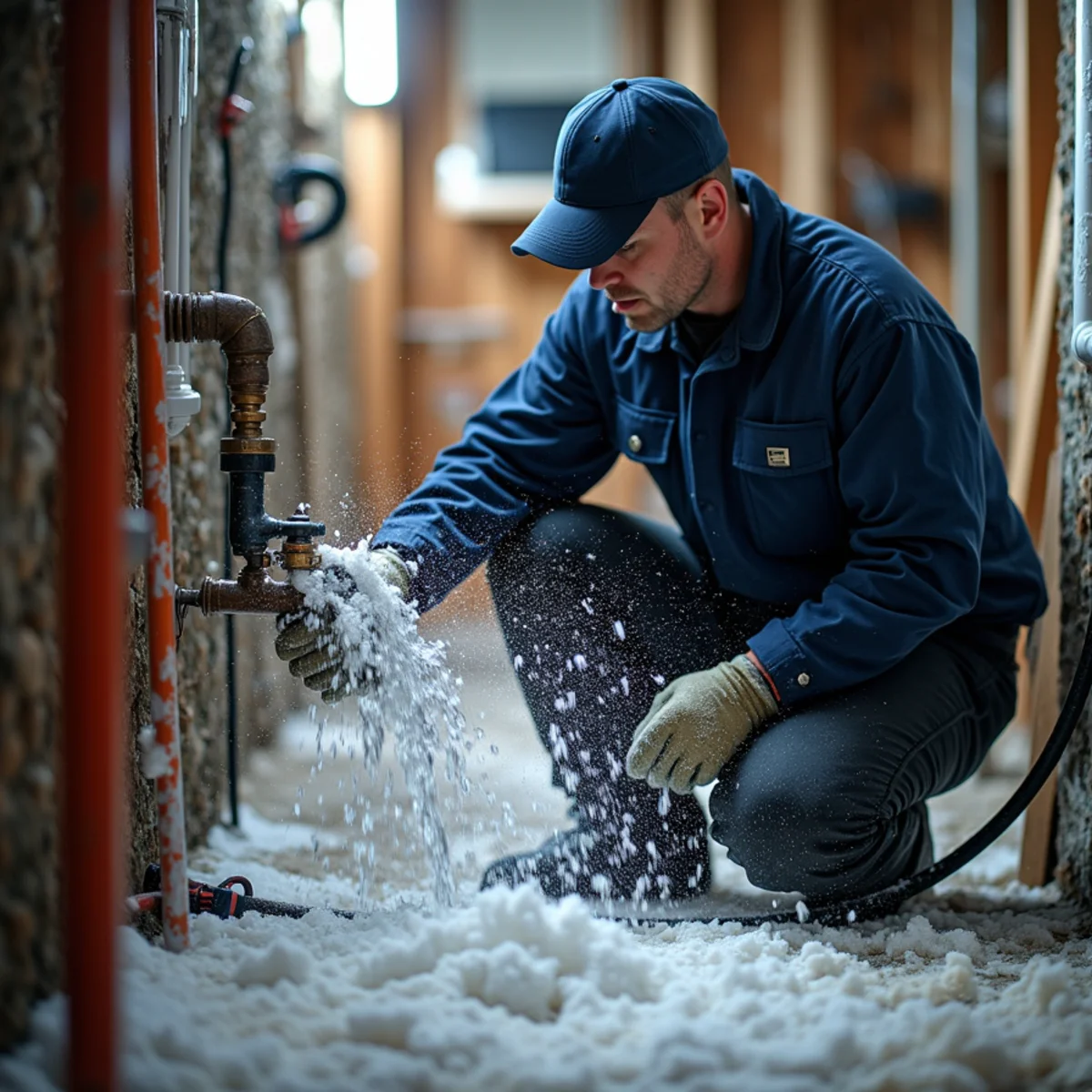
If a pipe bursts, shut off the water immediately — the nearest fixture stop for one appliance, or the main shutoff if the source isn’t isolated. Then cut power to the area only from a dry spot, photograph the damage before cleanup, and call a plumber. Every minute of flow adds to the damage.
Key takeaways
- Shut off the water first — the nearest fixture stop, or the main if the source isn't isolated.
- Cut power to the area only from a dry spot; never enter standing water near a panel.
- Photograph the damage before cleanup for your insurance claim.
- Never use an open flame on a frozen pipe.
- A pipe that froze has a weak spot — have the whole run pressure-tested, not just the split.
Shut off the water first
A burst pipe can release several gallons a minute, so the single most important thing you can do is stop the flow. Close the nearest fixture stop if the break is at a single toilet, sink, or appliance. If the source is not isolated, go straight to your main shutoff — usually where the water line enters the home, near the meter, a basement wall, a utility area, or a crawlspace.
This is why we tell every customer to locate and label their main shutoff before an emergency. In the middle of a flood, at night, is the worst time to be hunting for a valve you have never touched. If you do not know where yours is, ask us to point it out on any visit.
Kill the power if water is near electrical equipment
If water is spreading toward outlets, a panel, or appliances, shut off power to the affected area — but only from a dry location. Never step into standing water to reach an electrical panel. If you cannot safely reach it, stay out and call for help.
Then document, before you clean up
Once the water is off and the area is safe, photograph and video everything — the burst point, the affected rooms, wet flooring, damaged belongings, and the water meter. These images matter if you file an insurance claim, and they cost you nothing but a minute.
Move undamaged belongings out of the area only when it is safe to do so, and keep receipts for anything you spend on emergency cleanup or drying.
What not to do
Do not use an open flame or torch on a frozen pipe — it is a fire hazard and can crack the pipe from thermal shock. Do not start tearing out drywall or dismantling plumbing before the source is diagnosed. And do not assume that because the water stopped, the problem is over: a pipe that froze and burst has a weak spot that needs to be inspected and pressure-tested.
Why pipes burst on Long Island
Most winter bursts trace back to freezing. Water expands with tremendous force as it freezes, splitting copper and cracking fittings — usually in the exposed runs: exterior walls, unheated garages, crawlspaces, attics, and the rim of the basement. Older homes in Huntington, Northport, and across the north shore are especially vulnerable where piping runs through uninsulated spaces.
The damage often shows up during the thaw rather than the freeze, because ice can hold a crack closed until it melts. That delayed failure is exactly why a frozen pipe should be professionally thawed and checked, not just left to warm up on its own.
What our plumbers do the moment we arrive
Containment comes before anything else. We confirm the water is off, then find the actual failure point — which is often not where the water pooled, because it travels along joists and drywall before it drops.
Here’s the sequence we follow, and what you can start before we get there:
- Confirm the main shutoff is fully closed and the line is depressurized
- Locate the burst by following the water back to its highest point
- Replace the split section and any fitting stressed by the freeze
- Pressure-test the whole run, because ice can hide a second crack
- Identify why it froze and recommend insulation, rerouting, or heat cable
Why winter is when Long Island pipes let go
Almost every burst we repair between December and March traces back to freezing. Water expands with enormous force as it turns to ice, and it splits copper or cracks a fitting at the weakest point — usually an exposed run in an exterior wall, an unheated garage, a crawlspace, an attic, or along the rim of the basement.
The cruel part is the timing. Ice can hold a cracked pipe closed while it’s still frozen, so the flood often starts during the thaw, sometimes hours after you thought the danger had passed. That’s why “the water’s running again” is never the all-clear, and why we pressure-test the entire run after any freeze.
Older homes across Huntington, Northport, and the north shore are especially exposed where piping was run through uninsulated spaces decades ago. If your home has had a freeze scare before, that same run will freeze again next winter unless it’s insulated, rerouted, or protected — which is the real fix, not just patching the split.
Preventing the next burst
Once the emergency is handled, the goal is making sure it doesn’t happen again. The pipes that burst are almost always the exposed ones, and protecting them is inexpensive compared with another flood.
A few practical measures go a long way for a Long Island home:
- Insulate exposed runs in exterior walls, garages, attics, and crawlspaces
- Seal drafts that let freezing air reach the pipes
- Disconnect and drain outdoor hoses before the first freeze
- Keep the heat on — no lower than about 55°F — even when away
- During a hard freeze, let a faucet fed by a vulnerable pipe run at a trickle
The bottom line
A burst pipe is scary, but the playbook is simple: stop the water, stay safe, document, and call. The homeowners who come through it best are the ones who knew where their main shutoff was before it happened. If you’re dealing with a burst now, call (831) 290-4327 — we’ll guide your first move and head your way.
What a burst pipe repair involves — and what it costs
Once the water is off, the repair depends on where and why the pipe failed. A single accessible split is quick; a break inside a finished wall, under a slab, or in a hard-to-reach run takes longer. Our frozen and burst pipe repair replaces the failed section and then pressure-tests the whole run, because ice often hides a second crack that only opens during the thaw.
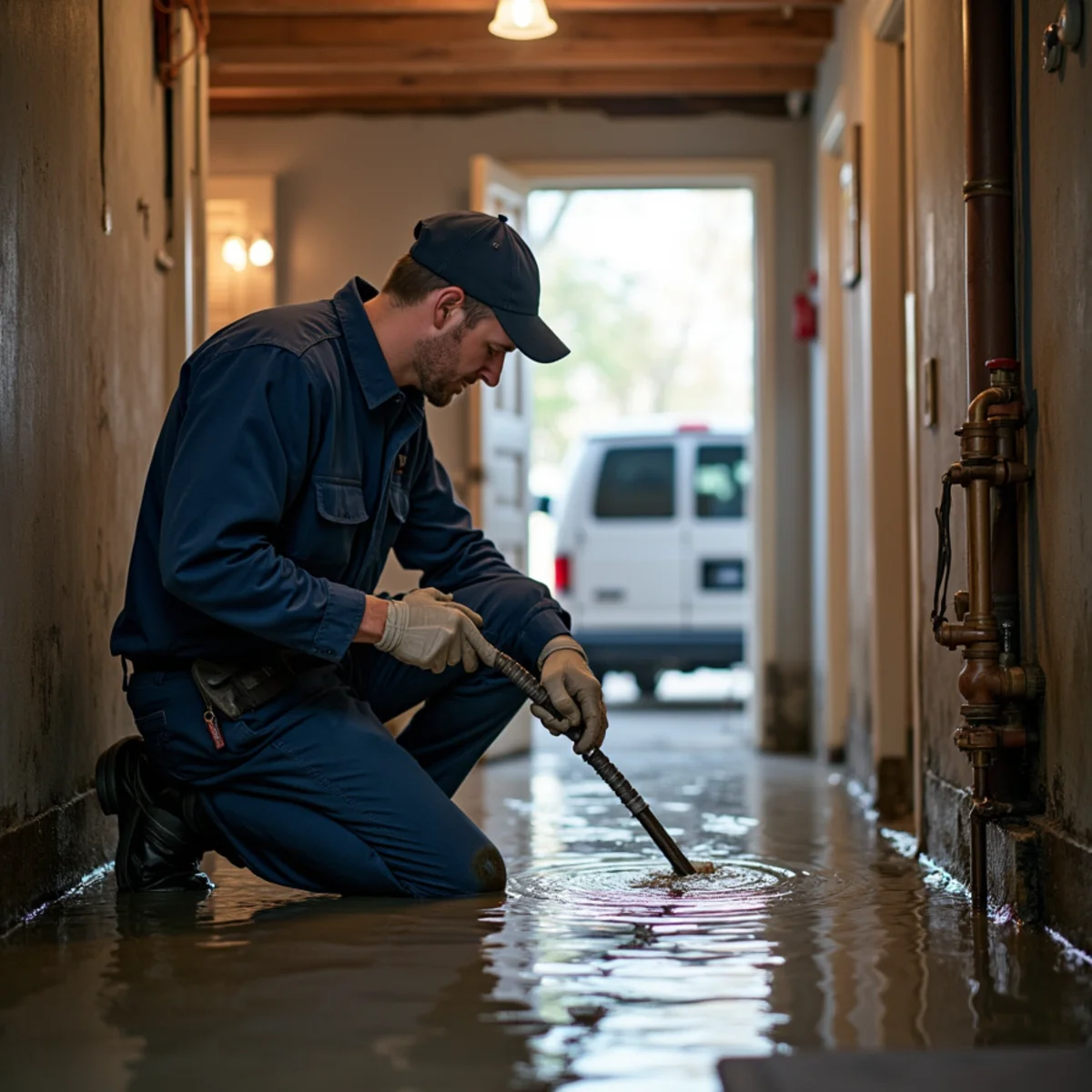
The bigger expense is usually the water damage, not the pipe — which is why the first move on any emergency call is containment. If a burst has already flooded a finished space, we coordinate cleanup and keep the plumbing repair separate from restoration for your claim. We answer burst-pipe calls throughout Huntington and nearby Commack.
Frequently Asked Questions
How We Can Help
Related services: frozen & burst pipe repair, 24/7 emergency plumber across Long Island.
We serve Huntington and Commack and the surrounding communities.
(831) 290-4327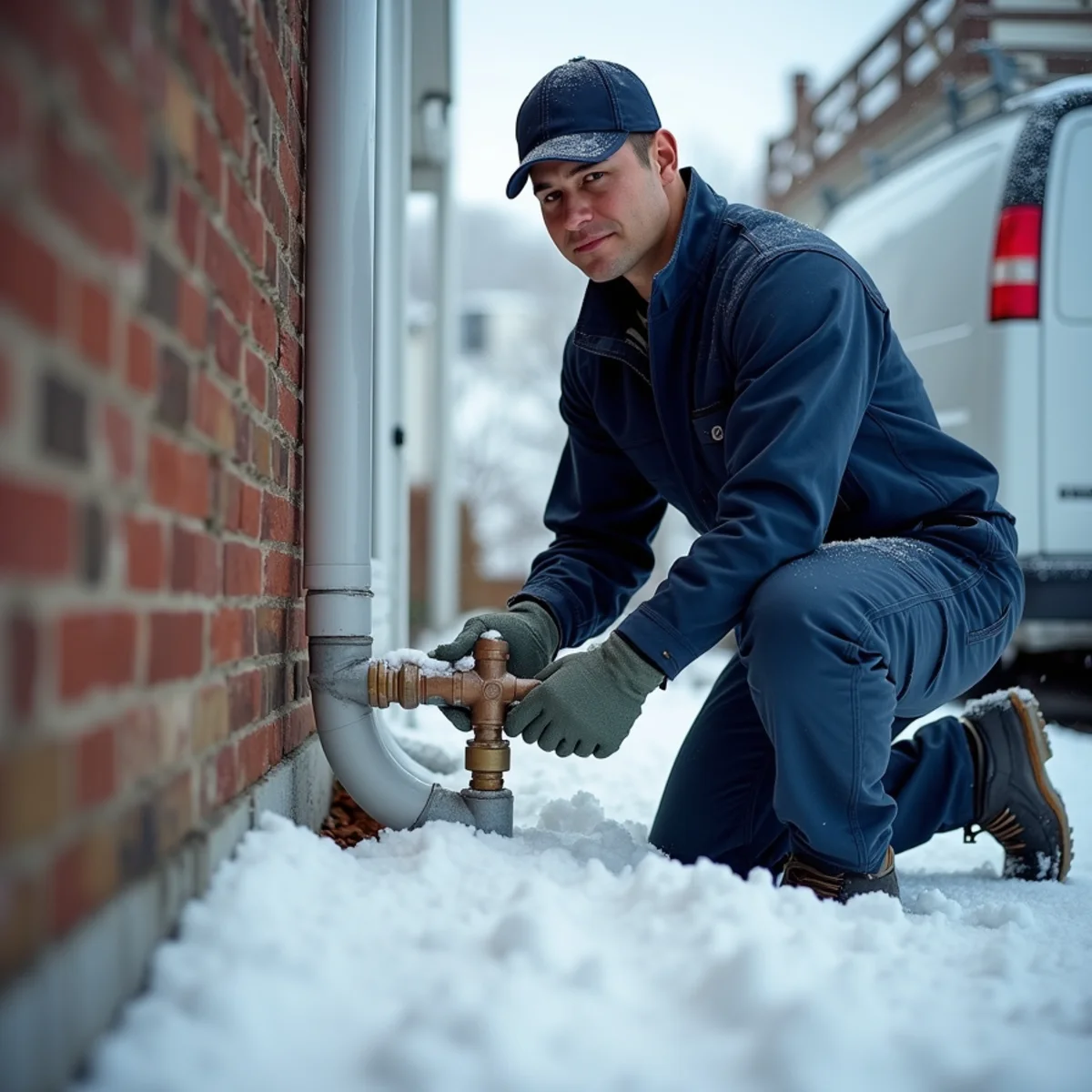
Need a plumber now? We’re ready to help.
Emergency or planned, call for fast local service across Long Island — or request a free written quote.